The Honest Timeline of a Retinol Peel: Managing Your Peeling Phase
Trying a professional chemical peel is a fantastic step toward healthier aging skin but the anticipation of the peeling phase often causes unnecessary anxiety. Clients frequently wonder if they will be stuck at home for weeks or if the shedding will look overly aggressive to their coworkers. At Boost Beauty Boutique we prioritize clinical honesty so you know exactly what your face will go through day by day. Setting accurate expectations prevents panic and allows you to support your cellular turnover correctly.
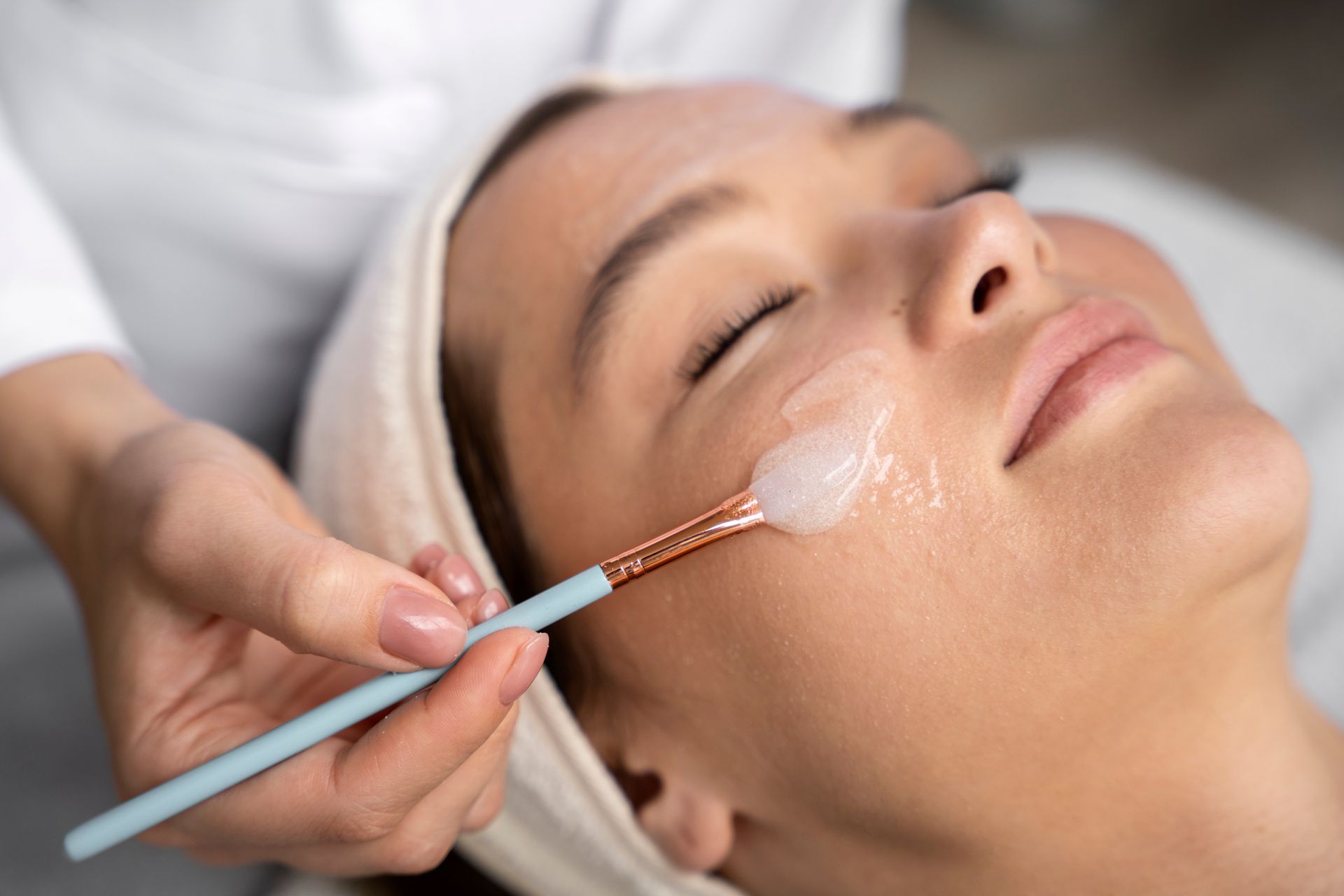
A Retinol Peel specifically targets maturing skin to smooth fine lines and improve overall surface texture. Unlike very superficial treatments this specific formulation triggers a deeper desquamation process that requires patience and a gentle touch. Residents across Columbia often schedule these treatments during cooler weather but the true secret to success lies in understanding the biological timeline. Let us walk through the reality of the shedding phase so you can commit to the process with complete peace of mind.
What We Cover:
- The Initial Application and Waiting Period
- Addressing the Underestimation of Delayed Shedding
- How Your Habits Influence the Final Outcome
- Frequently Asked Questions
The Initial Application and Waiting Period
When you leave the clinic your skin will likely look perfectly normal with perhaps a slight healthy glow. Many patients mistakenly believe the peeling process begins the moment they walk out the door. In reality the specialized retinol formulation requires time to sink deeply into the epidermis and signal the cellular receptors to begin shedding. You will spend the first forty eight hours simply following a gentle cleansing routine and waiting for the internal mechanisms to start working.
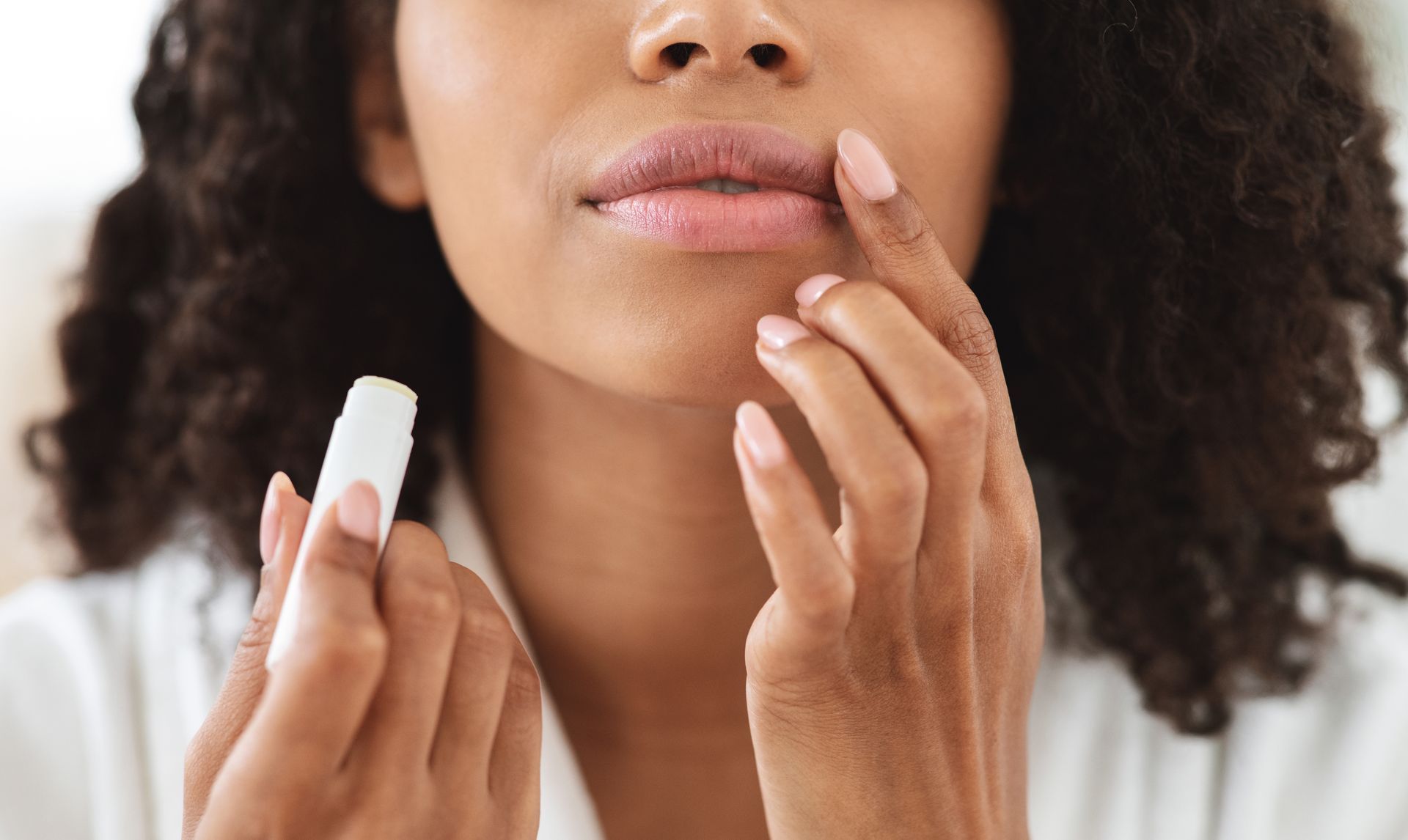
During this waiting period your skin might begin to feel uniquely tight as if you are wearing a very thin clay mask. This tightness is the first clinical sign that the upper layers of the stratum corneum are preparing to detach from the newer skin below. It is absolutely crucial that you do not apply heavy occlusive ointments during this phase unless specifically directed by your practitioner.
From a professional standpoint: → Slathering the skin with thick barrier creams too early can actually trap the heat and delay the natural peeling process you are trying to achieve.
Addressing the Underestimation of Delayed Shedding
One of the most common misunderstandings we see is patients underestimating just how long it takes for the visible peeling to fully conclude. Because the first two days are relatively quiet people often assume their skin did not react to the solution at all. When the shedding finally begins on day three it frequently starts around the mouth and chin before radiating outward toward the cheeks and forehead.
This delayed onset can catch people off guard if they scheduled a major social event for the upcoming weekend. The shedding is not usually a single clean sheet of skin peeling off at once but rather a continuous flaking that can last anywhere from three to five additional days. Understanding that this staggered timeline is a completely normal physiological response prevents patients from feeling anxious or frustrated.
A quick tip to remember: → The deepest and most effective cellular renewal often requires the longest desquamation period so patience is your best asset.
How Your Habits Influence the Final Outcome
What you do at home dictates the quality of your final results just as much as the solution applied in the clinic. As the skin begins to flake it is incredibly tempting to pull at the loose edges to speed up the visual recovery. Physically removing skin that is not ready to detach naturally will pull live tissue with it and significantly increase your risk of permanent hyperpigmentation.
Your job during the shedding phase is simply to protect the newly exposed skin from environmental damage. Applying a high quality mineral sunscreen every single day is non negotiable as your fresh skin is highly vulnerable to ultraviolet rays. We often recommend scheduling a hydrating SKNLAB facial a week or two after your peeling concludes to infuse the fresh tissue with customized serums.
From a professional standpoint: → Using sharp scissors to carefully trim loose flakes is the only safe way to manage annoying peeling edges without risking tissue damage.
Frequently Asked Questions
How many days does your face peel after a retinol treatment?
Visible flaking typically begins around day three and continues steadily through day seven or eight. The duration depends heavily on your baseline cellular turnover rate and the amount of dead skin buildup present before the treatment. By the start of your second week the majority of the shedding will have resolved naturally.
Is it safe to apply makeup while my skin is peeling?
We strongly advise against applying liquid foundations or heavy concealers while your skin is actively shedding. Makeup easily becomes trapped underneath the lifting skin flakes resulting in a highly uneven and cakey texture that draws more attention to the peeling. If you must wear coverage choose a very light mineral powder that allows the skin to breathe safely.
When will I see the final skin texture results?
Your skin will look fresh immediately after the flaking stops but the true clinical results take slightly longer to manifest. Retinol actively stimulates collagen production deep within the dermis which takes about four to six weeks to visibly plump fine lines. You will notice the most significant improvement in your overall skin texture roughly one month after your appointment.
Enjoying Your Smoother Complexion
Respecting the timeline of cellular turnover guarantees that your investment in healthy aging yields the best possible outcome. Navigating the shedding phase requires nothing more than patience and a commitment to gentle protective habits. Contact our clinic today to discuss your skincare goals and find out if this targeted chemical peel is the right choice for you.
Share This Blog